Vintage Flower Graphics & Illustrations Review
I recently opened a new file for a client who runs a small, handmade apothecary brand. She needed a visual anchor that felt organic yet professional, something to bridge the gap between rustic charm and modern elegance. That is when I pulled up the Illustration of Vintage Flower. As a designer who has sifted through countless assets in the creative marketplace, my first impression was immediate relief. The mood it sets is instantly recognizable: a delicate balance of wild nature and refined artistry. It is not just another generic clipart; it feels like a genuine graphic design asset ready for serious work.
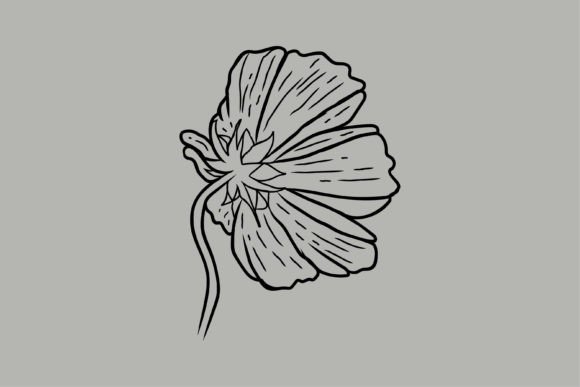
The piece features wild rose flowers and berries alongside medicinal herb line art drawing elements. This specific combination is powerful. The outline vector illustration isolated on white background allows for incredible flexibility. When I zoomed in, the detail in the rose hip bouquets sketch became apparent. It captures the texture of petals and the thorny reality of stems without becoming cluttered. For a client looking to build a brand identity around wellness or botanical beauty, this Illustration of Vintage Flower provides an emotional appeal that stock photos often fail to achieve.
Testing the Asset in Real Branding Scenarios
In my workflow, I never judge an asset solely by how it looks on a screen. I have to imagine it in the wild. For this project, I started by testing the Illustration of Vintage Flower as a central element for a logo design. The clean lines held up beautifully against a deep forest green background. Because it is an outline style, it scales effortlessly. Whether used as a large hero graphic on a website or a tiny icon on social media graphics, the integrity of the lines remains intact.
I also explored its potential for packaging design. Imagine a cream-colored soap bar wrapper or a glass jar label for essential oils. Placing this Illustration of Vintage Flower in the center creates a focal point that draws the eye immediately. It elevates the product from a simple commodity to a luxury item. The medicinal herb motifs add a layer of authenticity, suggesting that the ingredients inside are natural and potent. This is exactly what a small business branding strategy needs to stand out on a crowded shelf.
Beyond print, I considered how this would perform as a digital product. If my client wanted to sell printable wall art or create a Canva template for her blog, this asset works perfectly. The isolated nature of the image means it can be layered over textures, watercolors, or solid colors without losing definition. It serves as an excellent decorative accent in editorial design, breaking up text blocks in newsletters or adding visual interest to Pinterest pins.
Where This Design Shines Brightest
There are specific contexts where the Illustration of Vintage Flower truly excels. First, it is ideal for large layout areas. On a poster, flyer, or the front of a tote bag, the intricate details of the berries and leaves become a feature rather than noise. It commands attention and establishes a sophisticated visual hierarchy. Second, it is perfect for themed collections. If you are building a seasonal campaign for spring or summer, this asset anchors the collection with a cohesive look.
It is also a standout choice for merchandise. Think t-shirt design or sublimation design for mugs. The black-and-white line art style translates well into embroidery patterns or screen printing. For Cricut users and crafters, if the file includes SVG design formats, it becomes a versatile tool for creating custom stickers, vinyl decals, or iron-on transfers. The ability to separate elements—like isolating just the berries or a single flower—makes it a robust part of any design bundle.
Furthermore, this asset supports the "handmade" aesthetic so popular among Etsy sellers and print-on-demand creators. It signals quality and care. When placed on a product mockup, it tells a story of craftsmanship. Whether it is a wedding invitation suite or a boutique product line, the Illustration of Vintage Flower adds a touch of vintage romance that resonates deeply with audiences seeking connection and tradition.
Cautions and Limitations for Professional Use
However, as a professional, I must also highlight where this asset requires careful handling. While the detail is beautiful, it can get lost in small sizes. If you are using it as a favicon or a tiny badge on a mobile app interface, the fine lines of the medicinal herbs might blur or disappear. Always preview it at the smallest intended size before committing.
Additionally, avoid placing this illustration on complex backgrounds. Since it relies on clean outlines, a busy pattern behind it will destroy the visual hierarchy. The eye won't know where to focus. Similarly, in minimalist branding projects that demand stark simplicity, this detailed sketch might feel too ornate. It is not a corporate logo for a tech firm; it belongs in the realm of lifestyle, wellness, and artisanal goods.
Contrast is another critical factor. Test the design in black and white to ensure readability. If your client chooses a very light gray for the background, the white space within the outline might vanish. You need high contrast to maintain professionalism and recognition. In low-contrast designs, the image can appear muddy, undermining the trust you are trying to build with the audience.
Practical Designer Notes and Technical Checks
Before I finalize any commercial design, I run a standard checklist. First, I verify the file formats. Does the download include a PNG design with transparency? Is there an editable SVG or vector file? For the Illustration of Vintage Flower, having vector editability is crucial. It allows me to adjust stroke weights or remove specific berries to fit a specific layout constraint.
I also test font pairings. This vintage style pairs naturally with serif fonts for a classic look, script fonts for a romantic feel, or handwritten fonts for a personal touch. However, pairing it with a heavy, blocky sans-serif font might create a clash in tone unless done intentionally for contrast. Experimentation is key to finding the right voice for the brand.
Finally, always confirm the commercial license. Even if an asset looks perfect, you cannot use it for a client project without the proper rights. Ensure the license covers logo design, marketing visuals, and resale items like t-shirts or prints. Once cleared, place the asset on real mockups to see how it interacts with lighting and texture. This step transforms a digital file into a tangible vision for the client.
Final Verdict on Creative Potential
The Illustration of Vintage Flower is more than just a pretty picture; it is a strategic tool for designers. It bridges the gap between traditional botanical art and modern graphic needs. Whether you are a blogger needing a header image, a marketer crafting a campaign, or a small business owner launching a new product line, this asset offers the polish and personality required to succeed. By understanding its strengths and limitations, you can leverage it to create work that is not only visually stunning but also commercially effective. In a world of generic templates, choosing a thoughtful illustration like this one makes all the difference in building a memorable brand.