Black and White Tile Ornament Review
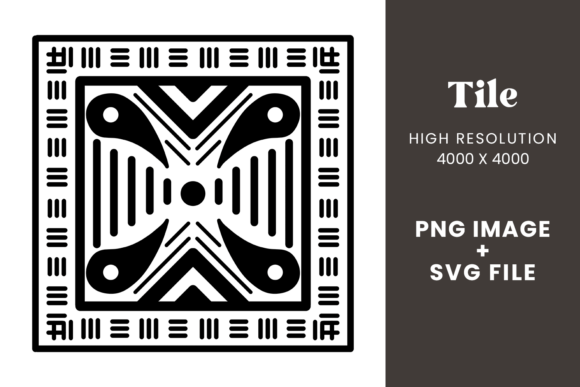
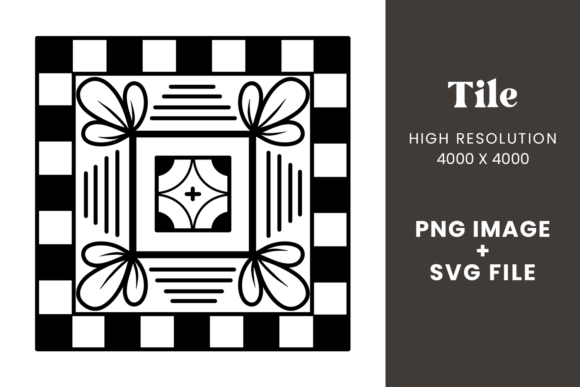
As a designer who has spent years translating digital files into tangible thread, I approach every new asset with a critical eye. When I first opened the file for the Black and White Tile Ornament, my immediate reaction was one of appreciation for its classic aesthetic. It is not just another generic graphic; it carries a specific mood that feels both timeless and sophisticated. The intricate lines and balanced symmetry suggest a design rooted in traditional craftsmanship, yet it possesses a clean sharpness that translates well into modern machine embroidery design workflows. This piece belongs to the Illustrations category, but its potential extends far beyond a simple digital image. It is a versatile Graphics asset that demands respect for detail.
Visual Impact and First Impressions
The visual personality of this ornament is defined by its high-contrast nature. The stark difference between the black elements and the white negative space creates a bold statement. In the world of custom apparel and home decor, this kind of contrast is essential for visibility and impact. When I visualize this as an embroidery project, I see a design that relies heavily on precise fill stitch execution to maintain those crisp edges. The ornamental details are dense enough to hold interest without becoming muddy, provided the stitch density is managed correctly during digitizing or conversion.
This design evokes a sense of order and elegance. It is not playful or whimsical; rather, it feels structured and intentional. For a craft business owner looking to elevate their brand identity, incorporating such a refined motif can instantly signal quality. Whether used as a central focal point or part of a larger repeating pattern, the Black and White Tile Ornament brings a level of professionalism that many Etsy sellers strive for but often struggle to achieve with lower-quality assets.
A Real-World Application: The Custom Tote Bag Scenario
To truly understand the value of this file, let's walk through a realistic scenario. Imagine you are preparing a line of premium canvas tote bags for a local boutique. You want something that stands out against the natural beige of the fabric but doesn't scream "loud." You decide to use the Black and White Tile Ornament as a corner accent or a border element. As you load the embroidery file into your machine, you notice how the geometric flow of the tile pattern mimics the weave of the canvas itself. This harmony between the design and the fabric texture is crucial.
When the stitching begins, the black thread pops beautifully against the light background. Because the design is monochromatic, you avoid the common pitfall of color matching issues. The result is a finished product that looks expensive and handcrafted. Customers picking up these bags will likely comment on the detail, associating the intricate work with higher value. This is exactly where the Black and White Tile Ornament shines: in projects where the stitching itself is the selling point. It transforms a simple utility item into a personalized gift or a sought-after small shop product.
Navigating Challenges in Embroidery Execution
While the potential is high, experienced designers know that no design is foolproof. There are specific situations where the Black and White Tile Ornament requires careful handling. The intricate corners and fine lines present a challenge on textured fabrics like denim or heavy wool. If the hoop size is too small or the tension is off, those delicate points can blur or break, ruining the illusion of a perfect tile. Always test the design on scrap fabric first to ensure the running stitch and fill areas hold up under pressure.
Furthermore, using this design on dark fabrics requires strategic thinking. While the black elements would disappear, the white thread might struggle to show definition if the background isn't stabilized properly. In such cases, an applique design technique or a backing layer of white thread might be necessary to maintain the integrity of the illustration. Similarly, on stretchy fabrics like jersey for sweatshirt embroidery, the rigid geometry of the tile could pucker if the wrong stabilizer is used. The design's rigidity works best on stable substrates like cotton, linen, or felt.
Key Considerations for Small Details
- Stitch Density: Ensure the fill stitches are not so dense that they cause fabric distortion, especially in the center of the tile patterns.
- Thread Colors: While designed for black and white, consider using metallics or tonal threads for a subtle variation, though the original contrast is strongest.
- Hoop Size: Verify that your hoop accommodates the full width of the ornament without cutting off the decorative edges.
- Fabric Texture: Avoid highly napped fabrics where the fine lines might get lost in the pile.
Commercial Viability and Brand Consistency
For the digital product seller or creative entrepreneur, the Black and White Tile Ornament offers significant commercial appeal. Its versatility allows it to be used across various product categories, from holiday embroidery items to everyday apparel decorators. Because the style is classic, it does not date quickly. A customer buying a pillow cover with this design today will likely still find it stylish five years from now, which builds long-term trust in your brand.
However, before integrating this into your catalog, you must confirm the licensing terms. Just because a file is available as a digital embroidery file does not automatically grant commercial rights for mass production. Check whether the license covers commercial embroidery for resale or if it is limited to personal use. Using a design without proper clearance can damage your reputation and lead to legal issues. Once cleared, this asset can serve as a cornerstone for your design assets library, providing a consistent visual language for your handmade product line.
Practical Designer Notes for Success
If you decide to move forward with this project, here are my final professional recommendations. First, create a printable mockup to visualize how the scale of the ornament affects the overall composition of your item. Does it look too large on a baby onesie? Too small on a blanket? Adjustments may be needed before you even touch the machine. Second, always compare the design on both light and dark fabric backgrounds in your software to anticipate thread contrast issues.
Finally, remember that the Black and White Tile Ornament is a tool, not a magic solution. Its success depends on your skill in preparation and execution. Use a high-quality stabilizer, check your needle size, and take the time to trim loose threads meticulously. When done right, this embroidered patch or decorative element becomes a testament to your craft, offering customers a unique, classic touch that mass-produced goods simply cannot replicate. Whether you are making a baby embroidery set or a high-end apron for a chef, this design provides the structural beauty needed to make your work stand out in a crowded market.