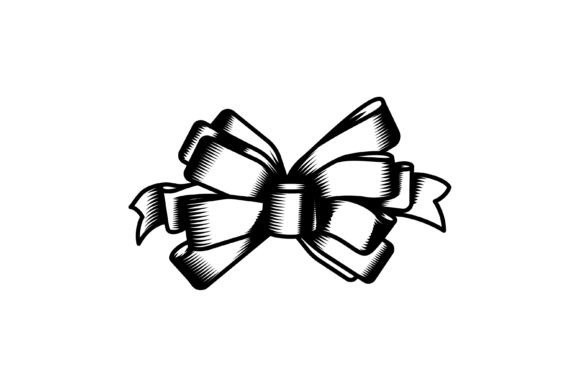
Ribbon Black Illustration Retro: A Designer Review
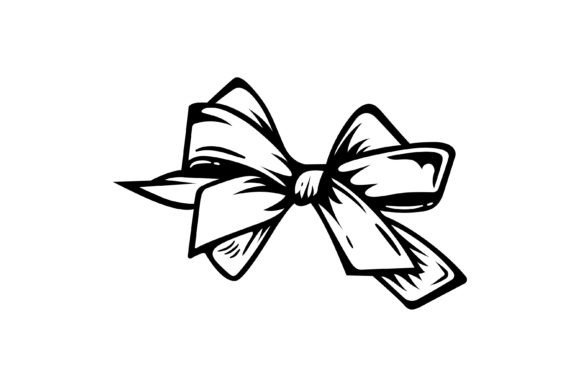
As a designer who has spent years translating digital files into tangible thread, I approach every new asset with a mix of excitement and skepticism. When I first opened the Ribbon Black Illustration Retro file, my immediate reaction was to assess its potential beyond the screen. This is not just another graphic; it is a hand-drawn doodle of a hipster retro bow tie that carries a distinct vintage elegance. The question for any serious maker or small business owner is whether this cartoon sketch translates well from a vector illustration into a high-quality machine embroidery design.
The First Impression: Mood and Visual Weight
The visual personality of Ribbon Black Illustration Retro is undeniable. It captures a specific aesthetic that blends nostalgia with modern craft trends. The lines are loose yet deliberate, mimicking the charm of a quick sketch while maintaining enough structure to hold up as a decoration for greeting cards, posters, emblems, and wallpapers. For an embroidery project, this mood suggests warmth and character. It feels like the kind of detail that would elevate a simple tote bag design into a statement piece or turn a plain sweatshirt into a conversation starter.
However, the "cartoon sketch" style presents unique challenges. In the world of Graphics and Illustrations, thin lines are easy to render on paper or pixels. On fabric, those same lines can disappear if the stitch density is too low or if the thread color does not contrast sharply with the background. The vintage elegant bowtie shape relies on negative space to define its form. If you plan to use this as an embroidered patch or a logo for your boutique branding, you must consider how the running stitch or satin stitch will fill those gaps without creating a muddy appearance.
Real-World Application: From File to Fabric
Let's imagine a real-life scenario. You are preparing a custom embroidered tote bag for a local craft fair. You want something that appeals to the creative crowd—something that says "handmade" and "thoughtful." Ribbon Black Illustration Retro fits this brief perfectly. Imagine placing this retro bow tie on a sturdy canvas tote in a deep charcoal grey. The black thread of the design would stand out with a sophisticated, understated look, avoiding the loudness of neon colors while still catching the eye.
Now, consider a different context: baby embroidery. Parents often seek items that feel timeless rather than trendy. A personalized gift featuring this vintage elegant bowtie on a soft cotton onesie or a nursery pillow cover could be adorable. The playful nature of the doodle adds a touch of whimsy that balances the classic bow tie motif. However, when working with baby clothes, the fabric texture becomes critical. Thin or stretchy fabric requires careful handling. You would need to ensure that the stabilizer is strong enough to support the design without distorting the delicate stitches.
For the Etsy seller or small shop product creator, this design offers versatility. It works well as a standalone element on a holiday gift, such as a kitchen towel or an apron. The simplicity of the ribbon vector illustration means it doesn't overwhelm the garment. Instead, it acts as a focal point that enhances the overall presentation of the finished product. Whether you are selling custom apparel or digital product previews, having a design that looks professional and cohesive is essential for building customer trust.
Navigating Technical Challenges and Limitations
While Ribbon Black Illustration Retro is visually appealing, there are areas where caution is required. The intricate details of the hand-drawn style mean that very small hoop sizes might not capture the essence of the design. If you attempt to shrink the image too much, the fine lines of the cartoon sketch could become indistinguishable blobs of thread. Always check the minimum recommended size before committing to a tiny cap or a small label.
Fabric choice also plays a massive role. On textured fabrics like denim or heavy wool, the design holds up well because the surface helps anchor the stitches. However, on smooth, dark fabrics, the lack of contrast between the black thread and the background could be an issue. If you are working with dark fabric, you might need to adjust the thread colors or add a backing layer to ensure the vintage elegant bowtie remains visible. Similarly, on layered garments or curved surfaces like caps, the tension of the fabric can distort the shape of the ribbon. Testing the design on scrap fabric first is non-negotiable.
Dense stitch areas are another concern. If the file includes heavy fill stitch sections, they can make the fabric stiff, which is undesirable for items like baby clothes or lightweight tea towels. You may need to adjust the stitch density in your software to maintain the drape of the material. Additionally, detailed corners in the doodle style can sometimes unravel during frequent washing. For products that need to withstand regular laundering, reinforcing these areas or simplifying the outline slightly might be necessary.
Practical Notes for the Professional Maker
Before integrating Ribbon Black Illustration Retro into your commercial embroidery projects, follow these practical steps to ensure success:
- Test on Scrap Fabric: Never skip the test run. Stitch the design on a piece of the actual fabric you intend to use. Check for puckering, skipped stitches, or registration issues.
- Check Thread Color Contrast: Since this is a black illustration, verify that the black thread pops against your chosen background. If not, consider using a lighter shade or adding a contrasting outline.
- Review Stitch Density: Ensure the fill stitch isn't too dense for the fabric type. Adjust settings to prevent stiffness, especially for baby embroidery or clothing.
- Confirm Hoop Size: Make sure the design fits comfortably within your hoop without stretching the fabric excessively, which can warp the final shape.
- Inspect Small Details: Zoom in on the file to see if the smallest lines of the doodle will translate clearly. If they are too thin, they may not stitch well.
- Use Proper Stabilizer: Choose a stabilizer appropriate for the fabric weight. Heavy-duty options work best for thick materials, while tear-away or cut-away stabilizers suit lighter textiles.
- Verify Licensing: Before selling finished items or digital products, confirm the licensing terms. Ensure you have the right to use this machine embroidery design for commercial purposes.
Final Thoughts on Value and Versatility
In the competitive world of handmade products and digital assets, standing out requires designs that are both beautiful and functional. Ribbon Black Illustration Retro delivers on both fronts. Its vintage charm and clean lines make it a valuable addition to any collection of design assets. Whether you are creating a personalized gift, decorating a sweatshirt, or designing a printable mockup for your online store, this embroidery file offers a level of professionalism that resonates with buyers.
The key lies in understanding its limitations and leveraging its strengths. By choosing the right fabric, stabilizer, and thread colors, you can transform this simple cartoon sketch into a high-quality embroidered patch or a standout feature on custom apparel. For the creative entrepreneur looking to expand their catalog with unique, retro-inspired pieces, this design is a strong contender. It invites experimentation and rewards attention to detail, making it a reliable tool for anyone serious about elevating their craft business.