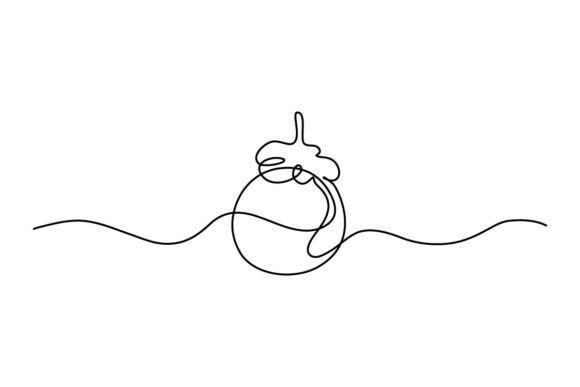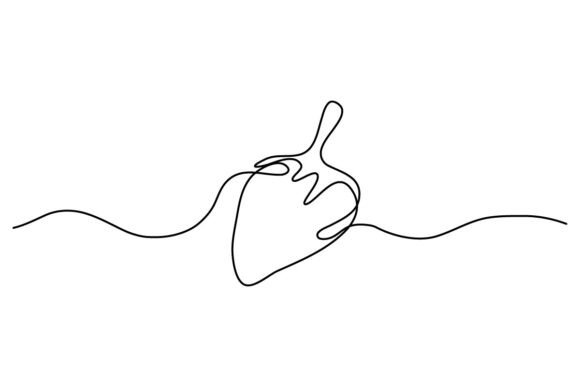
Strawberry One Continuous Line: A Designer's Review
As a designer who has spent years translating digital concepts into tangible thread, I approach every new asset with a critical eye. When I first opened the file for Strawberry One Continuous Line, I wasn't just looking at another fruit graphic; I was visualizing how this specific aesthetic would translate to fabric, hoop tension, and final customer perception. This design falls squarely into the Illustrations and Graphics category, offering a fruits symbol design concept that relies on minimalism rather than heavy density. It is a decorative element drawn on a white background, promising simplicity, but in the world of embroidery, simplicity often hides the most complex challenges.
The Visual Impact of Minimalist Fruit Designs
The immediate mood created by Strawberry One Continuous Line is one of modern elegance and playful restraint. Unlike traditional strawberry motifs that rely on dense fill stitches to create volume or heavy shading, this piece uses a single, unbroken path to define the shape. For an Etsy seller or a boutique owner curating a collection of handmade products, this style speaks to a contemporary audience that appreciates clean lines and artistic flair. The visual personality is distinct; it feels less like a cartoon and more like a deliberate sketch, which can elevate a basic tote bag or a kitchen towel into a piece of wearable art.
However, when moving from screen to stitch, the "one continuous line" concept requires careful consideration. In a standard machine embroidery design, we often rely on satin stitch or fill stitch to cover the fabric completely. Here, the design depends entirely on the precision of the running stitch or a very fine satin column. If the line breaks or the tension is off, the entire illusion of the fruit collapses. As a reviewer, my first instinct is to assess whether this embroidery file maintains its integrity across different scales. The charm of the design lies in its flow, but that flow must be preserved during the digitization process if you are converting these vector assets into actual stitching instructions.
Real-World Application: From Tote Bags to Nursery Decor
Let's talk about a real scenario. Imagine you are preparing a custom embroidered tote bag for a summer craft fair. You want something that pops against a natural canvas but doesn't look cluttered. Strawberry One Continuous Line fits this perfectly. Placed centrally on a beige cotton canvas, the design offers a sophisticated contrast without overwhelming the texture of the fabric. It works exceptionally well as a tote bag design because the open nature of the line allows the weave of the canvas to show through slightly, adding depth to the finished product.
I also see strong potential for this in baby embroidery. Parents love soft, whimsical themes, and a minimalist strawberry is perfect for a onesie or a receiving blanket. Because the design is not overly bulky, it reduces the stiffness often associated with heavy embroidery, making it comfortable against sensitive skin. Similarly, for sweatshirt embroidery, placing this motif on the chest pocket area creates a subtle branding effect that feels high-end rather than mass-produced. It transforms a generic garment into a personalized gift or a unique small shop product.
For those creating holiday embroidery items or wedding favors, this design can be paired with other botanical elements to create a cohesive suite of design assets. The clean lines make it versatile enough to sit alongside text or other graphics without fighting for attention. Whether used on a pillow cover, an apron, or even as part of an embroidered patch for a denim jacket, the design holds its own. It suggests a level of craftsmanship that appeals to customers looking for quality over quantity.
Navigating Technical Challenges and Fabric Choices
While the aesthetic appeal is high, practical application demands caution. There are specific scenarios where Strawberry One Continuous Line should be used carefully. First, consider the hoop size. While the design appears compact, the continuous nature of the line means that any distortion in the hooping will ripple through the entire image. If the fabric shifts even slightly, the curve of the strawberry could lose its smoothness. Always test the design on scrap fabric first to ensure your machine's tension is dialed in perfectly.
Fabric texture is another critical factor. On highly textured fabrics like thick wool or coarse linen, a single line might get lost or appear broken due to the uneven surface. This design shines best on smoother surfaces like cotton poplin, silk, or tight-weave canvas. Additionally, avoid using it on stretchy fabrics like jersey knit unless you use a heavy-duty stabilizer. Stretching during the stitching process can warp the delicate lines, ruining the symmetry of the fruit symbol.
Color choice is equally important. Since the original concept is drawn on a white background, the design relies heavily on thread colors that provide high contrast. Using a light pink thread on a cream background might result in poor visibility, diminishing the professional look of your handmade product. Conversely, a bold red or deep green on a neutral fabric will maximize impact. Always review your mockups in black and white before committing to a full run to check the value contrast.
Ensuring Professional Quality and Commercial Viability
For the Etsy seller or creative entrepreneur, the perceived value of your work is tied directly to the clarity of the stitch. Strawberry One Continuous Line can significantly boost buyer engagement if executed correctly. It signals that you understand current design trends and care about the details of your finished product. However, if the stitch density is too low, the design may look unfinished. You must confirm that the digitized version provides enough weight to the line so it stands up to frequent washing, especially for items like tea towels or baby clothes.
Before selling finished items or offering this as a digital embroidery file, you must confirm the licensing terms. Just because you have the EPS, SVG, and JPG files does not automatically grant commercial rights for all applications. Check whether the license covers commercial embroidery projects, such as selling physical goods with the design stitched on them. Many designers restrict the resale of the digital files themselves while allowing their use in physical products. Misunderstanding this can lead to legal issues for your craft business.
In conclusion, Strawberry One Continuous Line is a powerful tool for the modern maker. It bridges the gap between digital illustration and tactile textile art. By respecting its technical requirements regarding stabilizers, fabric choices, and color contrast, you can create stunning custom apparel and home decor that resonates with today's discerning customers. It is a design that rewards precision and offers a fresh take on a classic motif, making it a valuable addition to any serious designer's library.