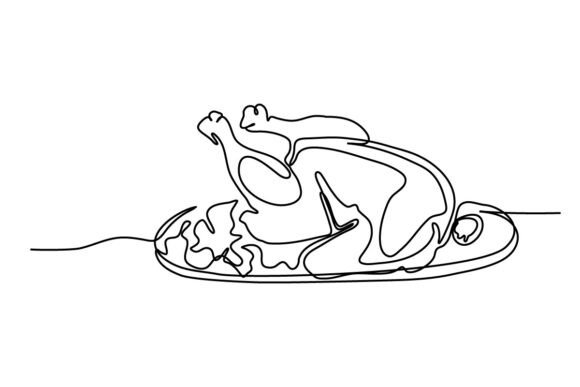
Whole Chicken One Continuous Line Review
As a designer who has spent years translating digital graphics into tangible stitched goods, I approach every new asset with a mix of excitement and skepticism. The market is flooded with generic clip art that looks fine on a screen but falls apart under the needle. That is why Whole Chicken One Continuous Line caught my attention immediately. It promises a specific aesthetic: a decorative element drawn on a white background, utilizing the elegance of a single unbroken path. Before committing this to a client project or adding it to my Etsy shop inventory, I needed to understand how this Illustrations category graphic would translate into a real-world machine embroidery design.
The First Impression: Simplicity Meets Character
When you first open the files for Whole Chicken One Continuous Line, the visual personality is distinct. Unlike complex, multi-layered poultry designs that rely on heavy fill stitches to create volume, this piece relies on line work. The mood is whimsical yet modern. It feels less like a traditional farm illustration and more like a contemporary icon suitable for branding or minimalist decor. For an Etsy seller or a boutique owner looking to elevate their product line, this kind of clean aesthetic often signals higher quality than cluttered, busy patterns.
The "one continuous line" technique is a double-edged sword in the world of Graphics. On paper, it suggests fluidity and artistic intent. In practice, it demands precision. The design avoids the trap of looking like a simple outline; instead, the decorative elements within the chicken's form add just enough complexity to keep the eye engaged without overwhelming the fabric texture. This makes it a versatile asset for both personal hobbies and commercial ventures.
A Real-World Test: The Custom Apron Project
To truly evaluate this embroidery file, I imagined a specific scenario: creating a series of custom kitchen aprons for a local artisan bakery. The goal was to produce a signature item that felt handmade but professional. I envisioned placing the Whole Chicken One Continuous Line on the chest pocket of a heavy-duty canvas apron. Why here? Because the sturdy nature of canvas provides a perfect foundation for line-based designs, which can sometimes struggle on softer, stretchier materials.
In this context, the design shines. The continuous line allows for a smooth flow of thread, reducing the number of thread breaks and knots that often plague complex digitized files. If I were to use a high-quality polyester thread in a deep terracotta or olive green against the natural beige canvas, the result would be striking. The simplicity of the tote bag design concept translates beautifully to an apron, offering a subtle nod to culinary themes without being cheesy. Customers buying these as personalized gifts would appreciate the understated elegance, recognizing it as a thoughtful, curated detail rather than a mass-produced logo.
Performance on Different Fabrics
While the apron scenario works well, a responsible designer must consider where this might fail. Whole Chicken One Continuous Line is not a one-size-fits-all solution. If you attempt to stitch this on thin jersey knit or delicate silk, the tension required to maintain the integrity of the single line could cause puckering. The lack of dense fill stitch means there is less weight to anchor the fabric, making the choice of stabilizer critical.
For sweatshirt embroidery or custom apparel made from fleece, the design needs careful consideration. Fleece fibers can get trapped in the line work, obscuring the crispness of the continuous stroke. A tear-away stabilizer might not be enough; a cut-away would likely be necessary to prevent the fabric from distorting the shape. Similarly, if you are working with dark fabrics, the contrast becomes a major factor. Since the original drawing is on a white background, you cannot simply reverse the colors without checking the legibility. A light-colored thread on black cotton might make the line too faint, losing the decorative details that give the chicken its character.
Navigating Technical Challenges
One of the most important aspects of using a file like Whole Chicken One Continuous Line is understanding the limitations of the hoop size. While the design appears compact, the continuous nature of the line means that any distortion in the hoop will ripple through the entire image. If the fabric isn't taut, the curve of the chicken's wing or tail could warp, ruining the "continuous" illusion.
I always advise my clients and fellow makers to test the design on scrap fabric first. This is non-negotiable. You need to check the stitch density to ensure the line doesn't break up or become too thick. Sometimes, a design that looks perfect in a digital embroidery file viewer requires minor adjustments in the machine settings to achieve that hand-drawn look. Additionally, consider the thread colors. A single color works best for this style, but experimenting with two-tone threads could add depth if the machine allows for mid-stitch changes, though that defeats the purpose of the "continuous" aesthetic slightly.
Commercial Viability and Licensing
For those running a craft business or selling small shop products, the value of Whole Chicken One Continuous Line lies in its uniqueness. In a sea of generic roosters and barnyard animals, a stylized, continuous line chicken stands out. It fits perfectly into the trend of modern farmhouse decor and gender-neutral nursery items. Imagine a baby embroidery project on a onesie or a pillow cover for a child's room. The soft lines are gentle and appealing, avoiding the sharp angles that might feel aggressive on baby wear.
However, before listing these items on your platform, you must confirm the licensing terms. The product description mentions receiving EPS, SVG, and JPG files. These are vector and raster formats ideal for editing and previewing, but they are not inherently embroidery machine files (like PES, DST, or EXP). You will likely need to digitize this yourself or have it converted by a professional service. Ensure that the license permits commercial embroidery on finished goods. Selling the digital files themselves is different from selling the physical embroidered item. Clarity here protects your business and builds customer trust.
Final Verdict: A Designer's Choice
Whole Chicken One Continuous Line is a strong contender for designers who value minimalism and artistic flair over traditional realism. It excels on stable fabrics like canvas, linen, and denim, making it ideal for embroidered patches, tea towels, and tote bags. It requires a steady hand and good stabilization to execute properly, but the payoff is a sophisticated, recognizable motif that elevates the perceived value of your finished product.
If you are looking to expand your portfolio with unique design assets that offer a fresh take on classic themes, this graphic is worth exploring. Just remember to respect the technical requirements of line work. Use proper backing, choose your thread wisely, and always run a test. When done right, this design transforms a simple chicken illustration into a statement piece that customers will love and recognize as part of your brand identity.